
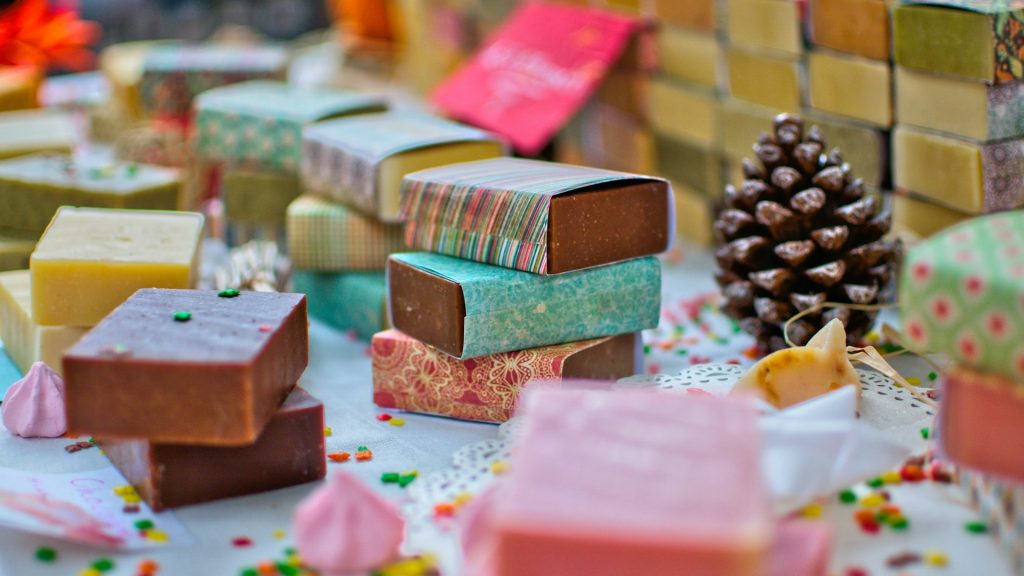
A maker who’s built a loyal following at farmers markets and craft fairs, selling directly to customers who can pick up, touch, and examine each item in person, faces a genuinely different photography challenge the moment they decide to bring that same business online — suddenly, a photo has to do all the work that direct, in-person interaction used to handle effortlessly.
Why In-Person Selling Never Demanded Great Photography
At a farmers market, a customer can pick up a jar of preserves, inspect a handmade item’s stitching, ask the maker a direct question, and make a purchase decision based on real, tactile, in-person evaluation. This means many makers transitioning online have genuinely never needed strong product photography before, since their entire sales process previously happened without photos playing any meaningful role at all — a real gap compared to sellers who started online from day one and had to solve this problem from their very first sale.
The Specific Photography Skills This Transition Requires
Moving online means suddenly needing several skills a market-based business never demanded: consistent lighting and background across an entire product line, angles that convey texture and quality a customer can no longer touch, and enough photo volume to represent a full catalog rather than whatever happened to be on the table at a given market that particular weekend. This is a real skill gap worth acknowledging honestly rather than assuming years of successful in-person selling automatically translates into online-ready photography without deliberate new effort.
Starting With a Small, Manageable Photo Batch
Rather than attempting to photograph an entire market-tested product line all at once, it’s worth starting with a focused, manageable batch of your strongest, most representative products, getting the photography and editing process genuinely right on a smaller scale before expanding to the full catalog. Batch edit pictures from this initial, focused batch to establish your visual standard and workflow, building confidence and process before tackling the larger volume a complete online catalog eventually requires.
Why Bulk Editing Helps Makers Specifically
Many makers selling handmade goods worry that bulk editing might strip away the individual character that makes each item special, but the reality is closer to the opposite — consistent background and framing treatment applied across a product line actually helps genuine handmade variation stand out more clearly, since a consistent presentation frame makes the real differences between individual handmade pieces easier for a buyer to appreciate rather than getting lost in a chaotic, inconsistent overall presentation. Edit multiple photos from a market-tested product line with this in mind, preserving the individual character each piece genuinely has while still applying the consistency a catalog needs to look professional and trustworthy online.
Translating In-Person Trust Signals Into Online Ones
At a market, trust comes from the maker’s physical presence, a friendly conversation, the ability to ask questions directly. Online, photography has to substitute for much of this trust-building — showing enough detail and enough consistency that a buyer feels the same confidence they’d have talking to the maker in person. A bulk background remover that isolates products against a clean, consistent backdrop helps translate this trust into the online context, giving a maker’s handmade catalog the same professional, dependable presentation that supports buyer confidence the way an in-person conversation once did.
A Bulk Workflow for a Growing Online-From-Offline Business
The practical approach starts with establishing one consistent photography setup — even a simple one — and applying a matching bulk editing template across every product photographed under it, rather than photographing each new item under slightly different conditions and hoping the editing can fully compensate for inconsistent originals. Mass edit photos as new items get photographed under this established setup, building toward a complete, consistent online catalog gradually rather than trying to convert an entire in-person product line to online-ready photography in one overwhelming push.
What to Look for in a Tool as a First-Time Online Seller
For a maker new to online selling, it’s worth prioritizing a bulk photo editor that’s genuinely easy to learn without requiring deep photo editing expertise, since this transition already involves learning many new things at once — setting up an online store, handling shipping, managing online customer service — without needing photo editing to be yet another steep, separate learning curve on top of everything else.
How Pixeroom Supports Makers Moving Online
Pixeroom’s bulk background remover helps makers transitioning from in-person to online selling establish the consistent, professional presentation their new online context requires. Bulk edit images from your market-tested product line into a clean, consistent catalog, translating the trust and quality your customers already recognize in person into a presentation that builds the same confidence for customers who’ve never met you and are relying entirely on your photos to make that first purchase decision.
To be clear about scope: Pixeroom edits and exports the images themselves — it doesn’t teach photography fundamentals or manage the broader transition from in-person to online selling, which involves many other considerations beyond photography alone. What consistent bulk editing does provide is a meaningful, achievable improvement to exactly the trust-building element that online selling specifically requires and in-person selling never demanded.
If you’re a maker bringing a successful farmers market or craft fair business online, it’s worth treating photography as a genuinely new skill to build deliberately, not an afterthought assumed to translate automatically from years of successful in-person selling. Starting small, establishing a consistent setup, and applying bulk editing consistently as your online catalog grows builds toward the same trust online that your reputation already earned in person.
Keeping the Personal Story That Made Your In-Person Business Work
As you build a more polished, consistent online photo presentation, it’s worth being careful not to lose the authentic, personal story that made your in-person business successful in the first place — the handmade quality, the maker’s story, the genuine craft behind each item. Consistent, professional photography and authentic maker storytelling aren’t in conflict; the goal is presenting your genuine work clearly and consistently, not manufacturing a generic, impersonal brand identity that erases what made customers connect with your business at the market in the first place.
Deciding Which Photos to Use First From an Existing Photo Backlog
Many makers already have some photos from social media posts, past market displays, or casual phone shots taken over time, and it’s worth auditing this existing backlog for anything usable rather than assuming a complete reshoot is the only path forward. A bulk picture editor applied to your best existing photos can often produce a genuinely presentable initial catalog quickly, buying time to plan and execute more deliberate, comprehensive photography for the rest of your product line without delaying your online launch waiting for perfect photos of absolutely everything.
Building a Simple, Repeatable Home Photography Setup
Most makers don’t need professional studio equipment to produce online-ready photography — a consistent spot near a window for natural light, a plain backdrop, and a phone camera can produce genuinely good source material once a bulk image background remover handles the background consistency and cleanup afterward. Keeping this setup simple and repeatable, rather than aspiring to elaborate equipment from the start, makes it more likely a maker actually maintains the discipline of photographing every new item consistently rather than skipping photography because a more elaborate setup feels like too much friction for routine, ongoing use.
Why Volume Matters Differently for Makers Than for Larger Retailers
Unlike a larger retailer managing thousands of SKUs, a maker’s online catalog often grows more gradually, with new items added in smaller, more manageable batches tied to their actual production pace rather than large periodic inventory drops. This slower, more organic growth pattern is actually well suited to bulk editing in smaller, more frequent batches — processing each new small production run through the same established template as it’s completed, rather than waiting to accumulate a large batch before running any bulk editing pass at all.
Handling the Emotional Adjustment of Selling Without In-Person Interaction
Beyond the purely technical photography skills, it’s worth acknowledging that moving from in-person to online selling represents a real emotional adjustment for many makers, since the direct customer connection that made in-person selling rewarding gets replaced by a more impersonal, photo-and-text-mediated interaction. Investing genuine care into photography that reflects the same personal attention a maker previously brought to in-person conversations helps bridge this emotional gap, making the online transition feel like an extension of the same values rather than a colder, less personal replacement for what came before.
Learning From Other Makers Who’ve Made This Same Transition
Plenty of makers have successfully navigated this exact transition from in-person to online selling, and their specific experiences and lessons learned offer genuinely useful, practical guidance beyond general photography principles — what actually worked for building online trust as a new, unknown seller, what photography investments paid off most directly, what mistakes are worth avoiding based on hard-won experience. Seeking out this kind of maker-specific community and guidance, rather than relying solely on general e-commerce advice not tailored to this specific transition, adds real, grounded detail relevant to your particular situation.
Why Patience With This Transition Pays Off
It’s worth setting realistic expectations that building a genuinely strong online photo presence, and the online trust it supports, takes real time and iteration, similar to how building a loyal in-person following at markets also took sustained effort over time rather than happening instantly. Approaching the online transition with the same patient, incremental mindset that likely built your successful in-person business in the first place — rather than expecting immediate online success purely because your in-person reputation was already strong — sets more realistic, sustainable expectations for this genuinely new chapter of your business.
Bringing Your Existing In-Person Customers Online With You
Many makers already have a loyal base of repeat in-person customers who are natural first candidates to follow the business online, and it’s worth specifically inviting this existing audience to your new online store early, since they already trust the underlying product and just need to see that trust translated credibly into the new online presentation. Consistent, professional photography reassures these already-loyal customers that the online version of your business meets the same standard they already know and trust from meeting you in person, easing their own transition to buying from you in a new, unfamiliar way.
Balancing In-Person and Online Selling as Both Continue
For many makers, the transition to online selling doesn’t mean abandoning markets and craft fairs entirely — it often means running both channels simultaneously, which means photography needs to work for both contexts without requiring two entirely separate approaches. A consistent bulk editing standard applied to your growing catalog serves both channels well, since the same clean, professional photos that build trust with online strangers also work fine as printed materials, social media posts, or reference images used to support your continuing in-person sales alongside the new online channel.
Celebrating This Transition as a Genuine Milestone
Moving a successful in-person business online represents real growth and a genuine expansion of what a maker has already proven works, and it’s worth recognizing this transition as the significant milestone it actually is rather than treating it as a purely technical chore to get through as quickly as possible. Approaching the photography work specifically with the same care and pride that went into building the original in-person business honors the reputation you’re carrying forward into this new chapter, and that care shows through in the finished catalog in ways customers genuinely notice and respond to.
Whatever pace this transition takes for your particular business, treating it as a genuine investment in your craft’s future, not just a technical box to check, sets the right tone for everything that follows.
Your in-person reputation opened the door to this next chapter; now it’s photography’s job to carry that same trust through it.
Give it the same attention you’d give a new market stall, and the online version of your business earns trust just as genuinely.
That’s the whole goal.
Welcome to your next chapter.
Build it well.