
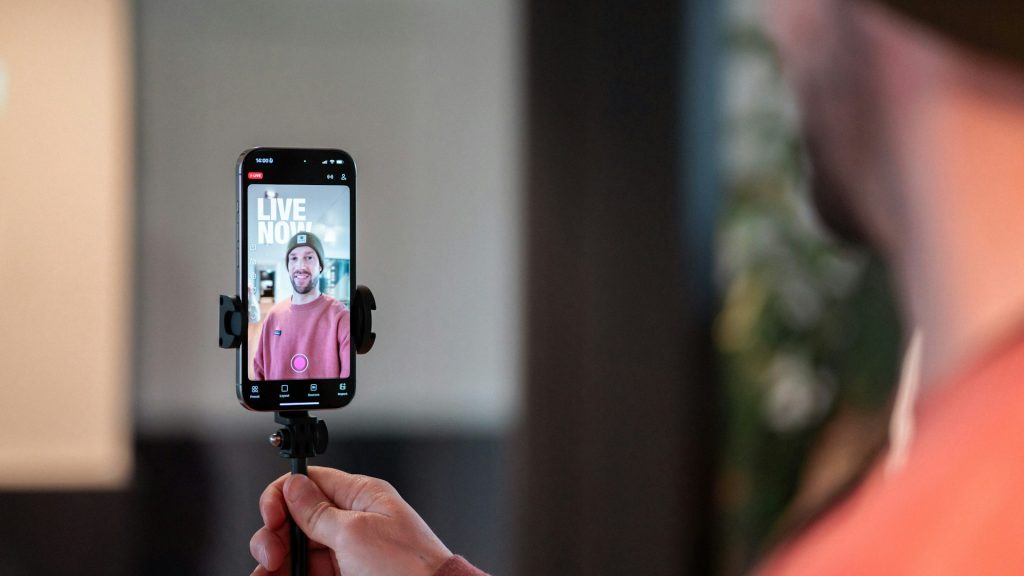
Live shopping has introduced a genuinely new pace to e-commerce photography needs — a host running a TikTok LIVE or similar live shopping session might feature dozens of products in a single broadcast, often deciding what to showcase with only hours of lead time, which puts real pressure on having a large, well-organized library of listing-ready product photos available on demand rather than scrambling to prepare images for each live session individually.
Why Live Shopping Changes the Photography Prep Timeline
Traditional e-commerce photography assumes a product goes live once, on its own schedule, with reasonable lead time to prepare its images properly. Live shopping compresses this timeline dramatically — a host might decide the day before a broadcast, or even during it, to feature a product that wasn’t specifically planned for that session, which means the underlying photo library needs to already contain listing-ready images for essentially everything in a seller’s catalog, not just whatever happened to be scheduled for promotion that particular week.
The Library-First Approach to Live Shopping Readiness
Rather than treating each live shopping session as its own separate photo preparation project, the more sustainable approach is maintaining a comprehensive, consistently edited photo library covering the entire sellable catalog, so any product can be pulled into a live session on short notice without a scramble to prepare fresh images first. A batch photo editor app that processes new inventory promptly as it arrives, rather than only when a specific promotional need arises, keeps this comprehensive library current and ready for whatever a host decides to feature on any given broadcast.
Why Consistency Matters Even More During a Live Broadcast
During a live shopping broadcast, viewers are often clicking through several featured products in quick succession, comparing options rapidly in a fast-paced, low-attention-span viewing context. Inconsistent photo quality between featured products creates a jarring, unprofessional viewing experience precisely when a seller most needs viewers to trust what they’re seeing and buy quickly before the live moment passes. A consistently edited photo library, applied uniformly across the entire catalog rather than just whatever gets specially prepared for promotion, ensures every product a host might spontaneously decide to feature already meets the same professional standard.
A Bulk Workflow for Maintaining a Live-Shopping-Ready Library
The practical approach starts with treating comprehensive catalog coverage as the actual goal, rather than photo readiness for only currently promoted products. Batch edit pictures for every new product as it enters the catalog, regardless of whether it’s specifically planned for an upcoming live session, so the library stays comprehensively current rather than developing gaps that only get noticed and scrambled to fill once a host wants to feature something that was never properly photographed and edited in the first place.
Handling Rapid-Fire Feature Decisions During Live Sessions
Experienced live shopping hosts often make real-time decisions about what to showcase next based on chat engagement and viewer questions during the broadcast itself, which means the underlying photo library needs essentially universal coverage rather than coverage limited to a pre-planned session lineup. Mass edit photos across your entire catalog on a rolling basis, treating comprehensive readiness as an ongoing operational standard rather than a project completed once and considered finished, since new inventory constantly needs to join this always-ready library as it gets added to the broader catalog.
What to Look for in a Tool for This Use Case
Given how much live shopping depends on having photos ready before they’re specifically needed, it’s worth prioritizing a bulk background remover that processes new inventory quickly and reliably as a standing, routine part of your catalog management, rather than a tool only used occasionally for special promotional pushes. Speed and reliability matter more here than elaborate styling options, since the underlying goal is comprehensive, dependable coverage rather than maximally polished presentation for a small subset of specially promoted items.
How Pixeroom Supports Live Shopping Photo Readiness
Pixeroom’s bulk background remover processes new inventory quickly, supporting the comprehensive, always-ready photo library live shopping formats depend on. Edit multiple photos as new products enter your catalog on a routine, ongoing basis, building toward comprehensive coverage rather than only preparing images reactively once a specific product gets chosen for an upcoming live session.
To be clear about scope: Pixeroom edits and exports the images themselves — it doesn’t manage live shopping broadcasts, host scheduling, or in-session product selection decisions, all of which remain the seller’s own operational responsibility. What a comprehensive, consistently maintained photo library provides is the flexibility for hosts and sellers to make spontaneous, engagement-driven featuring decisions during a live broadcast without being constrained by which products happen to already have listing-ready images prepared.
If your live shopping strategy currently involves scrambling to prepare photos for each specific broadcast, that reactive approach is worth replacing with the comprehensive, ongoing library maintenance discussed here — treating photo readiness as a standing catalog-wide standard rather than a per-session preparation task tied to whatever happens to be planned for each individual broadcast.
Coordinating Photo Library Maintenance With Live Shopping Frequency
Sellers running live shopping sessions frequently — multiple times a week or even daily — need their photo library maintenance to keep pace with that broadcast frequency, which makes an efficient, low-friction bulk editing routine even more critical than for sellers running occasional, infrequent live sessions. Building photo processing into your standing inventory intake routine, rather than treating it as a separate task scheduled around live shopping calendar needs specifically, keeps the library current regardless of how frequently or unpredictably live sessions actually occur.
Why a Bulk Photo Editor Needs to Move Faster Than Traditional Catalog Work
Traditional e-commerce photo editing can typically absorb a few days of turnaround time without much business consequence, but live shopping’s rapid, engagement-driven feature decisions mean a bulk photo editor supporting this format ideally needs same-day or near-instant turnaround from raw photography to listing-ready image. This speed requirement shapes which tools genuinely fit this use case well, since a technically capable but slow tool undermines the entire point of maintaining a comprehensive, always-ready library if new inventory still takes days to actually join it.
Handling Cross-Platform Live Shopping Presence
Many sellers run live shopping sessions across multiple platforms — TikTok LIVE, Instagram Live Shopping, and others — each with potentially different image format and sizing requirements for how featured products actually display during a broadcast. Bulk edit images once into a comprehensive master library, then export whatever platform-specific format each live shopping platform requires, rather than maintaining separate photo libraries for each individual platform your live shopping strategy actually spans.
Preparing for Viral, Unpredictable Demand Spikes
A product that unexpectedly gains traction during a live session can see demand spike dramatically and immediately, sometimes prompting a host to circle back and feature it again in a follow-up session or prompting other team members to boost it across other marketing channels simultaneously. Having that product’s photos already properly prepared and ready across every channel it might suddenly need to appear on, rather than needing rushed photo prep in the middle of an unexpected demand spike, is exactly the kind of scenario a comprehensive, always-ready library specifically protects against.
Why a Bulk Picture Editor’s Consistency Matters for Repeat Viewers
Live shopping audiences often include repeat viewers who tune into the same host or brand’s broadcasts regularly, building familiarity with a consistent visual style over time. A bulk picture editor applied consistently across an entire growing catalog maintains this recognizable visual identity across every broadcast, rather than letting quality or style drift between sessions depending on which specific products happen to get featured and how recently their photos were prepared relative to more established, previously-live-shopping-tested inventory.
Building a Fast-Turnaround Intake Process for New Inventory
Given how quickly live shopping can create demand for previously unfeatured inventory, it’s worth building an intake process specifically optimized for speed — new products photographed and run through a bulk image background remover as close to the moment they arrive as operationally possible, rather than batched and processed only periodically on a slower, less urgent schedule. This fast-turnaround discipline is what actually makes the comprehensive library concept work in practice, since a library that’s only updated monthly still leaves meaningful gaps for anything added more recently than the last processing cycle.
Coordinating Photo Readiness With Host Planning and Chat Engagement
Live shopping hosts benefit from knowing in advance which products already have professional, ready-to-feature photography, since this knowledge shapes what they’re comfortable promoting spontaneously in response to real-time chat engagement during a broadcast. Sharing clear visibility into your comprehensive photo library’s actual coverage with hosts, rather than leaving them to guess or check individually before featuring anything, empowers more confident, responsive live-session decision-making that takes full advantage of the comprehensive library you’ve built.
Measuring Whether Your Library Coverage Is Actually Comprehensive
It’s worth periodically auditing what percentage of your total catalog actually has current, listing-ready photography prepared, rather than assuming comprehensive coverage without verifying it directly. A simple coverage metric — tracked and reviewed regularly — reveals whether your bulk editing intake process is genuinely keeping pace with new inventory additions, or whether gaps are quietly accumulating that will eventually surface as a scramble the next time a host wants to feature something that turns out not to be properly prepared after all.
Why Live Shopping’s Growth Makes This Investment Worthwhile Now
Live shopping continues growing as a meaningful sales channel across multiple platforms, which means the operational discipline discussed here — comprehensive, always-ready photo coverage rather than reactive, per-session preparation — is likely to matter more, not less, for sellers as this format becomes a larger part of overall e-commerce activity. Building this comprehensive readiness now, before live shopping represents an even larger share of revenue, positions a seller to take full advantage of the format’s spontaneous, engagement-driven nature rather than being structurally limited by which products happen to already have prepared photography whenever a promising live-session opportunity arises.
Balancing Comprehensive Coverage Against Genuinely Discontinued Inventory
It’s worth being realistic that comprehensive coverage doesn’t necessarily mean every single SKU a store has ever carried, including genuinely discontinued or permanently out-of-stock items that will never actually appear in a live session again. Focusing comprehensive bulk editing effort on your actively sellable catalog, rather than every historical SKU regardless of current relevance, keeps the scope of this ongoing maintenance work realistic and sustainable rather than an ever-growing burden that includes inventory no host would ever actually feature.
Training Hosts and Team Members on What “Ready” Actually Means
As a team grows to include multiple hosts or people involved in live shopping planning, it’s worth establishing a clear, shared understanding of what counts as “photo ready” for this purpose — background consistent, framing correct, color accurate — so everyone involved shares the same confidence level about which products are genuinely prepared for spontaneous featuring versus which still need photo work before they’re truly broadcast-ready. This shared standard prevents the awkward situation of a host confidently featuring a product during a live broadcast only to discover its actual photography falls short of what viewers expect from the rest of the catalog’s established presentation quality.
Why This Approach Also Benefits Your Non-Live-Shopping Sales Channels
The comprehensive, always-ready photo library built to support live shopping’s spontaneous demands doesn’t just serve that one channel — it directly strengthens every other sales channel a seller operates too, since a catalog where every product has consistent, professional photography benefits a standard online store, a marketplace listing, and a social commerce post exactly as much as it benefits a live shopping broadcast. Building this infrastructure once for live shopping’s demanding pace ends up raising the baseline quality and readiness of an entire multi-channel operation, well beyond the specific use case that originally justified the investment.
That kind of cross-channel payoff is a strong argument for building this discipline now, even for sellers who are still relatively new to live shopping and unsure exactly how large that specific channel will eventually become for their business.
The infrastructure pays for itself regardless of how that particular channel ultimately performs.
Build it once and every channel benefits.