
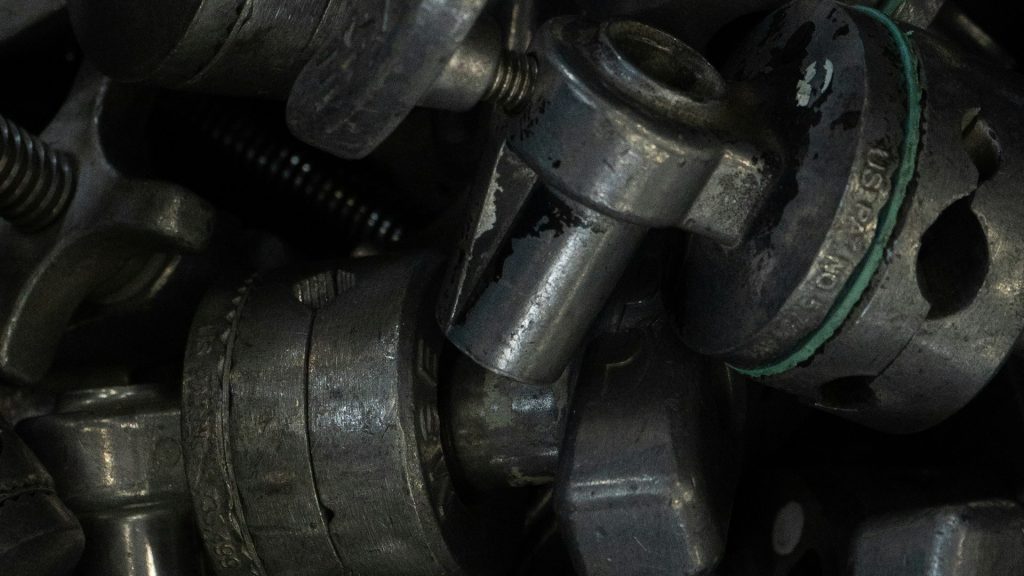
Auto parts sellers deal with a scale problem that few other e-commerce categories match: a single catalog might include thousands of individual SKUs, many of them visually near-identical to a casual observer — dozens of brake pad variants, hundreds of gasket sizes, countless fasteners that differ by a few millimeters a buyer needs precisely right. Bulk editing at this scale isn’t optional infrastructure for this category, it’s close to the only way a catalog this size stays visually consistent and manageable at all.
Why Auto Parts Catalogs Reach Such Extreme Scale
A single vehicle model can require dozens of distinct part numbers across just its braking system alone, and a seller carrying parts for multiple vehicle makes and models across multiple years multiplies that number into the thousands or tens of thousands of individual SKUs. Unlike a typical retail catalog where product variety comes from genuinely different products, auto parts variety often comes from extremely fine-grained differences within what looks, to an untrained eye, like the same basic part repeated over and over — which creates a genuinely unusual bulk editing challenge centered on precision and correctness rather than creative variety.
The Precision Problem With Near-Identical Products
When dozens of SKUs look nearly identical, the risk of a mismatched photo — showing the wrong specific variant on the wrong listing — becomes a real, consequential problem rather than a cosmetic inconsistency. A customer ordering a part based on a photo that doesn’t actually match the listed part number can receive something that doesn’t fit their vehicle, triggering a return and, worse, potential safety concerns depending on which part is involved. A bulk editing workflow for this category needs built-in verification steps specifically designed to catch photo-to-SKU mismatches before they reach a live listing, given how easily a mistake can slip through when processing thousands of visually similar images.
Why Manual Editing Breaks Down Completely at This Scale
Manually editing thousands of near-identical product photos, one at a time, isn’t just slow — it’s actively dangerous for accuracy, since human attention naturally drifts during long, repetitive sessions processing visually similar images, making exactly the kind of photo-to-SKU mismatch discussed above more likely rather than less as fatigue sets in. A structured bulk workflow with clear, systematic file naming and verification steps built into the process handles this volume far more reliably than manual attention alone, precisely because it doesn’t depend on sustained human vigilance across thousands of repetitive, visually similar images.
A Bulk Workflow Built for Extreme SKU Volume
The practical approach starts with rigorous file naming and organization at the sourcing stage, tying each photo unambiguously to its correct part number before any editing begins, since bulk editing amplifies rather than corrects an organizational mistake made upstream. Bulk edit images through a consistent background and framing template across the full catalog, while maintaining strict traceability between each source photo and its correct part number throughout the entire process, so the speed benefit of bulk processing never comes at the cost of losing track of which image belongs to which specific SKU.
Handling Fine Detail That Distinguishes Similar Parts
Many auto parts differ from their near-identical siblings in small but functionally critical details — a slightly different bolt pattern, a different port configuration, a subtle dimensional difference — that a buyer specifically needs to see clearly to confirm correct fitment. Edit multiple photos with attention to preserving exactly this kind of fine distinguishing detail, since a background removal or enhancement process that inadvertently blurs or obscures the specific feature that differentiates one part from a nearly identical alternative actively works against what this category’s buyers need most from a listing photo.
What to Look for in a Tool for This Category
Given the sheer volume and precision requirements this category demands, it’s worth confirming a bulk picture editor can handle genuinely large batch sizes efficiently without performance degradation, since a tool that works fine on a hundred images might struggle meaningfully differently at the thousands-of-images scale many auto parts catalogs actually require. It’s also worth testing whether a tool preserves fine mechanical detail accurately through its background removal process, specifically checking parts with subtle distinguishing features against nearly identical alternatives in the same product line.
How Pixeroom Supports Auto Parts Sellers at Scale
Pixeroom’s bulk background remover processes large batches of product photography efficiently, which fits the extreme volume auto parts catalogs typically require. Mass edit photos across thousands of SKUs while maintaining the fine mechanical detail preservation this category needs to distinguish between similar parts, applying consistent background and framing treatment without sacrificing the precision detail buyers depend on to confirm correct fitment.
To be clear about scope: Pixeroom edits and exports the images themselves — it doesn’t verify part fitment, compatibility, or catalog data accuracy, all of which remain the seller’s critical responsibility given how directly a mismatched part can affect a customer’s vehicle and safety. What a reliable, high-volume bulk workflow provides is the ability to process a catalog at genuine auto parts scale without manual editing fatigue introducing the kind of mismatch risk this category specifically needs to avoid.
If your auto parts catalog currently relies on manual, one-at-a-time photo editing across thousands of SKUs, that approach carries real risk at this scale beyond simple inefficiency — it’s worth transitioning to a structured bulk workflow with built-in traceability specifically to reduce the photo-to-SKU mismatch risk that manual processing at this volume genuinely invites.
Building Verification Steps Into a High-Volume Workflow
Given the consequences of a mismatched part photo in this category, it’s worth building an explicit spot-check verification step into your bulk workflow — sampling a percentage of processed images against their listed part numbers before publishing — rather than assuming a bulk process is error-free simply because it’s automated and consistent. This verification step catches sourcing or organizational errors that occurred before the bulk editing stage even began, protecting against exactly the kind of mismatch that a purely visual, unverified bulk pass wouldn’t catch on its own.
Why a Bulk Photo Editor Needs to Handle Metal and Reflective Parts Well
Many auto parts are made of metal or have reflective coatings and finishes that behave differently under background removal than simpler, matte products, similar to the reflective surface challenges electronics sellers deal with. A bulk photo editor tested specifically against your most reflective parts — chrome fittings, polished metal components, coated surfaces — confirms it handles these materials without leaving artifacts or losing important surface detail that a buyer might need to evaluate a part’s finish or condition before purchasing.
Organizing Photography Around Vehicle Fitment Categories
Given how much auto parts variety comes from fitment differences across vehicle makes, models, and years rather than genuinely distinct product designs, it’s worth organizing your bulk editing workflow around these fitment categories directly, processing all variants for a given vehicle platform together as one coordinated batch. Batch edit pictures organized this way keeps related parts visually and organizationally grouped throughout the editing process, reducing the chance of a mix-up compared to processing photos in a less structured order that doesn’t reflect the underlying fitment relationships between different SKUs.
Handling New Part Additions From Regular Catalog Expansion
Auto parts catalogs typically grow continuously as new vehicle models enter the market and new part numbers get added to cover them, which means the bulk editing workflow needs to handle this ongoing expansion smoothly rather than treating catalog growth as a disruptive event requiring a new approach each time. A bulk image background remover with an established, tested template that new parts simply flow through as they’re added keeps pace with this continuous expansion without requiring the workflow itself to be rebuilt or reconsidered every time a new vehicle model’s parts need to be added to the catalog.
Why This Category’s Buyers Are Especially Detail-Oriented
Auto parts buyers, whether professional mechanics or DIY vehicle owners, tend to be unusually detail-oriented and technically knowledgeable compared to average shoppers, since getting the wrong part has real consequences beyond simple inconvenience. This heightened buyer sophistication means listing photos in this category get scrutinized more carefully for exact matching detail than in categories where buyers are making a more casual, less technically informed purchase decision, which raises the bar for precision throughout the entire bulk editing process, from initial organization through final published listing.
Coordinating Photography With Technical Specification Data
Most auto parts listings include detailed technical specifications alongside photography — dimensions, materials, compatible vehicle lists — and it’s worth ensuring photo processing stays tightly coordinated with this specification data throughout the bulk workflow, rather than treating photos and specifications as separately managed pieces of a listing that might drift out of sync with each other over time. A consistent internal system linking each photo directly to its correct specification data, maintained throughout the bulk editing process, prevents the kind of quiet data drift that can accumulate across a catalog this large if photos and specifications are managed through separate, disconnected processes.
Balancing Speed With the Zero-Tolerance Accuracy This Category Demands
Unlike many categories where a bulk workflow’s main goal is simply speed and consistency, auto parts photography needs to balance speed against a genuinely zero-tolerance standard for photo-to-part accuracy, given the real consequences of a mismatch. This makes verification and traceability steps non-negotiable additions to whatever speed a bulk workflow otherwise provides, since the cost of a single significant mismatch — a safety-critical part shipped incorrectly, a customer’s vehicle repair delayed or complicated by a wrong part — far outweighs whatever time might be saved by skipping careful verification in pursuit of maximum processing speed alone.
Training a Team to Handle This Category’s Specific Risks
As auto parts photo editing responsibilities get delegated across a larger team, it’s worth training every team member explicitly on why this category’s error tolerance is lower than most other product categories, rather than assuming general bulk editing competence automatically transfers the specific discipline this category requires. A brief but explicit training covering file naming conventions, verification checkpoints, and the real-world consequences of a mismatch gives new team members the context they need to understand why extra care matters here specifically, beyond just following a procedural checklist without understanding its underlying purpose.
Auditing an Existing Large Catalog for Historical Mismatches
For auto parts sellers who’ve been operating for years without a rigorous verification process in place, it’s worth conducting a periodic audit sampling a percentage of existing live listings against their actual part numbers, checking for any mismatches that may have accumulated over time before a more disciplined bulk workflow was established. Catching and correcting these historical errors proactively, rather than waiting for a customer complaint or return to surface each one individually, protects both customer safety and brand reputation in a category where trust and technical accuracy matter as much as they do here.
Why This Category Rewards Long-Term Investment in Process
Given the sheer scale and precision demands auto parts catalogs present, the upfront investment in building a rigorous, well-tested bulk editing and verification workflow pays off disproportionately compared to most other product categories, since the alternative — continued manual, ad hoc editing at this scale — carries meaningfully higher ongoing risk with every single new SKU added to an already massive catalog. Sellers who invest in this infrastructure early position themselves to scale their catalog confidently as new vehicle models and parts continue expanding their total SKU count, rather than having catalog growth itself become a growing liability under a process that was never built to handle this category’s specific scale and precision requirements.
Why This Discipline Pays Off Well Beyond Auto Parts
The specific verification and traceability practices discussed here, built for auto parts’ extreme scale and precision demands, translate directly to any other category dealing with large numbers of visually similar SKUs — fasteners, electrical components, industrial supplies, and other technical categories all share this same underlying challenge. Sellers who master this discipline in one demanding category often find it transfers cleanly to any future category expansion involving similarly high-volume, precision-sensitive inventory.
Build the rigor once for your most demanding category, and it becomes a durable operational asset for whatever comes next.